


Getting Started with Smart Denture Conversions
SDC is a closed-tray provisional pickup system for full-arch, fixed implant restorations. Learn the workflow, confirm it fits your cases, and run your first conversion.
Already using SDC? Jump to Resources..
How it Works
If you've done an overdenture pickup,
you already understand SDC.
Dr. Brandon Kofford, a board-certified prosthodontist, was tired of going home late after All-on-X cases. He kept wishing the workflow could feel as simple as an overdenture case, and he realized Temporary Cylinders were the obstacle. So he developed the technology to eliminate them.
Overdenture pickups are clean, predictable, and passive — because the attachment is picked up from inside the prosthesis using a closed tray. That's exactly what makes them work.
Conventional All-on-X conversions couldn't use that approach. Temporary Cylinders had to pass through the prosthesis, which meant large holes, open trays, and all the complications that follow.
Smart Denture Conversions closes that gap. The Separable Fastener is a patented two-part fastener that does exactly what its name suggests — it separates during pickup, leaving the TiBase bonded inside the provisional while the post stays behind in the abutment. Same principle as an overdenture pickup. Same predictability. Now available for All-on-X.


01
Prepare the TiBase with a Separable Fastener
The Separable Fastener is loaded into the TiBase, with the PEEK Cap extending through the top. Together they seat onto the multi-unit abutment as one unit.

02
Seat the prosthesis over the TiBases
With acrylic injected, seat the prosthesis over the TiBases. The Separable Fastener fits through a small opening — just large enough for the post, not a full cylinder. Closed tray. Passive. Exactly like an overdenture pickup.

03
Create screw channels and contour
With the TiBases bonded inside the provisional, follow their path to drill clean, accurate screw channels. Contour and polish as needed for a comfortable fit.

04
Deliver
With the patient still in the chair, confirm occlusion before they leave. Smaller holes, stronger structure, passive fit — and the patient goes home with teeth the same day.

Training Videos
The complete SDC protocol. On demand.
Over 15 videos led by Dr. Brandon Kofford cover every step, from preparation through delivery.
Plus clinical case videos showing SDC in real-world practice.
 Watch the Full Training Series
Getting Started
Practice the protocol before your first patient.

The Interactive Training Kit is designed to get you from curious to confident — with everything you need to practice the protocol hands-on, plus a two-hour one-on-one virtual training session with an SDC expert.
This isn't a starter pack. It's a hands-on introduction to a procedure that will change how you approach every All-on-X case.
What's Included:
Practice denture, Separable Fasteners, TiBases, Single Arch Dam Kit, Rapid Set Acrylic, and loaner tools — everything needed for a complete practice run.
$250 — includes your virtual training session.
Get Started with the KitEverything you need, at every stage.
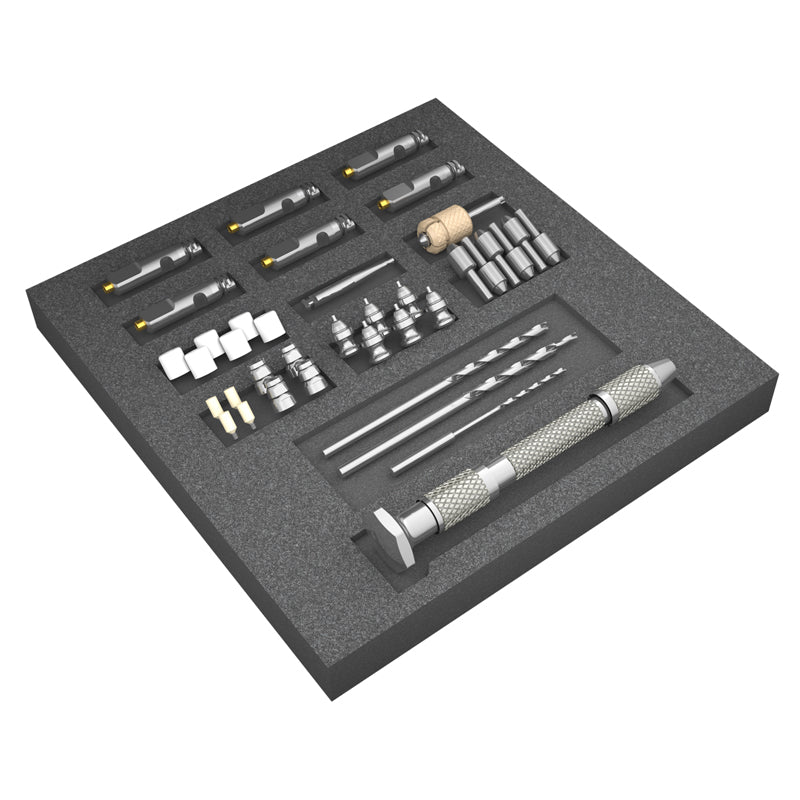
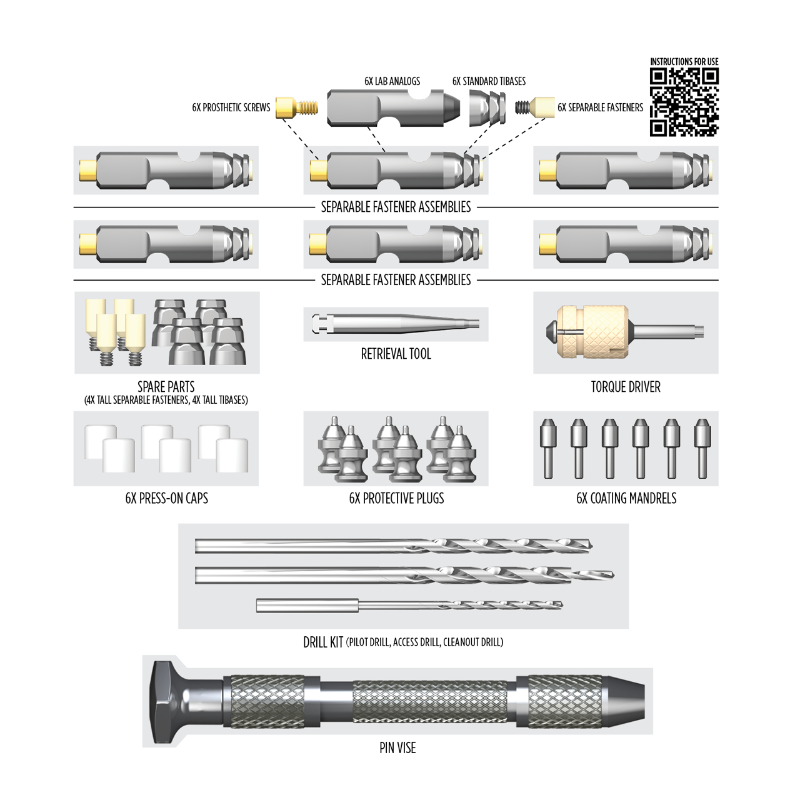
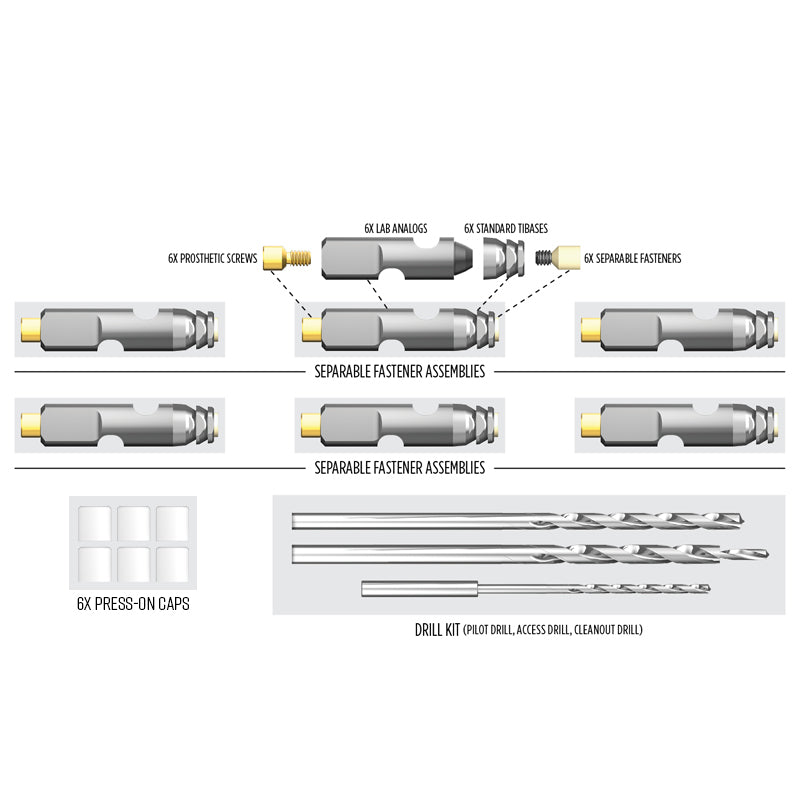
Premium Starter Kit
$1,260 — includes everything needed for your first case.
Everything you need to perform your first Smart Denture Conversion — parts, tools, and accessories for a complete case.
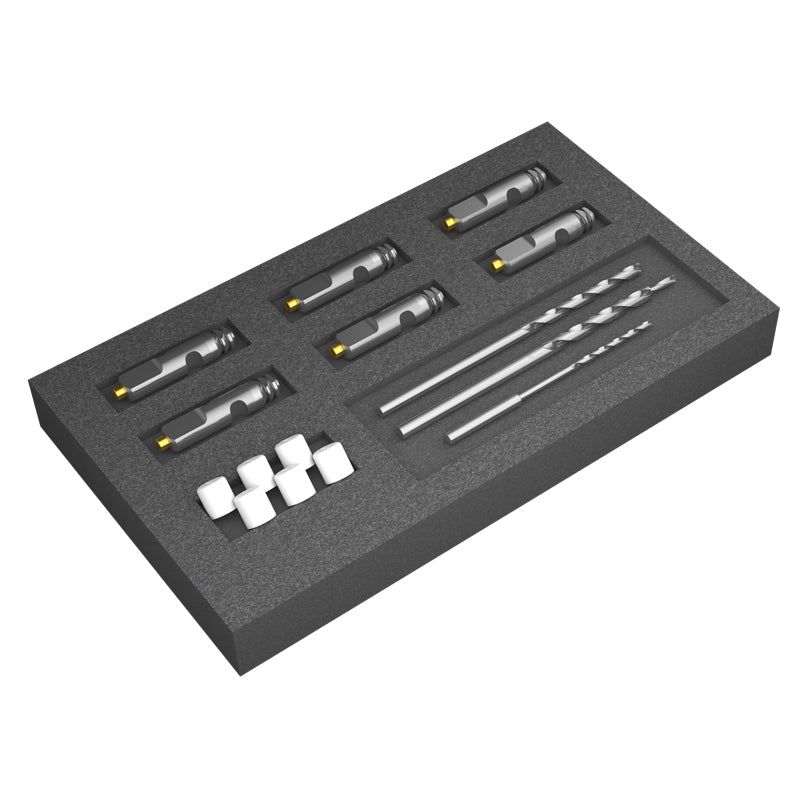
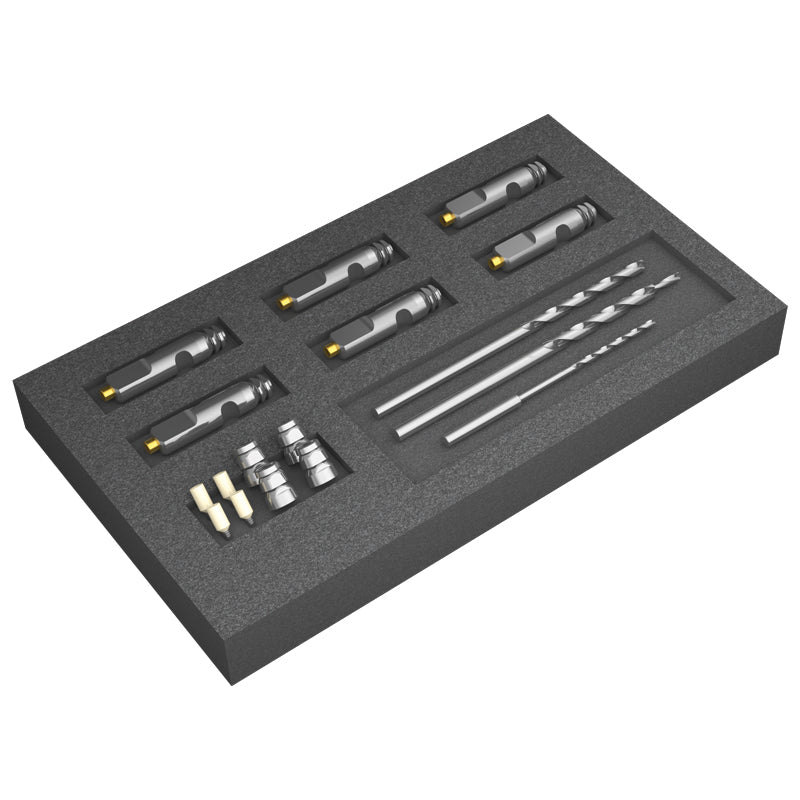
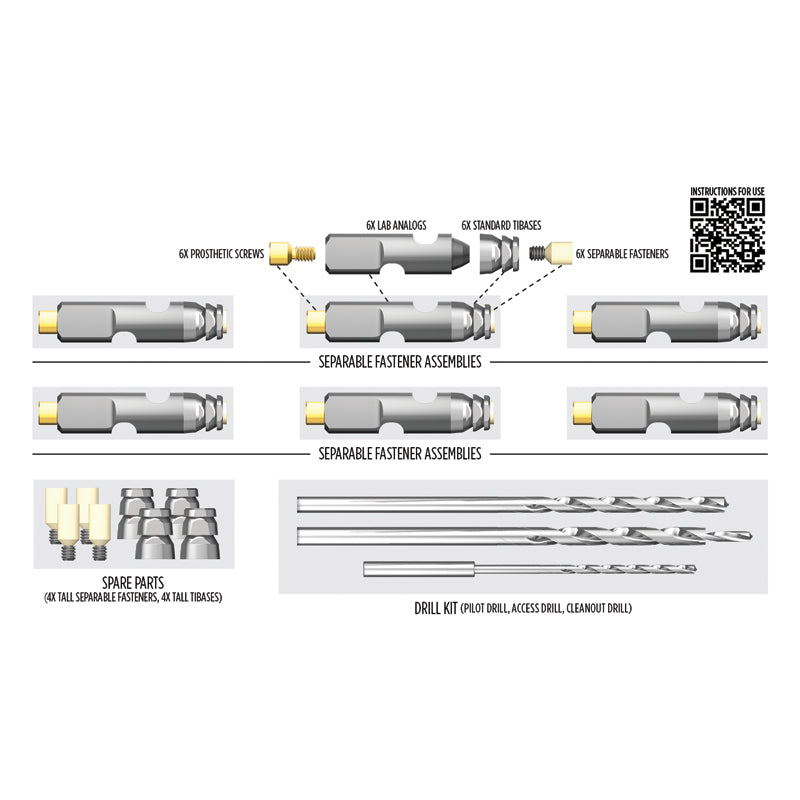
Recharge Kit
$623.70 — everything you need to do it again.
Restocks your Premium Starter Kit after a conversion so you're ready for the next case without repurchasing the full set.
FAQ
Frequently Asked Questions
How long does a Smart Denture Conversion take?
With experience, most clinicians complete a conversion in 30 minutes or less — some in as little as 20. Your first case will take longer as you get familiar with the protocol, which is exactly what the Interactive Training Kit is designed for.
Do I need special training before my first case?
No formal prerequisite is required, especially if you're already experienced with all-on-x conversions. SDC introduces some different approaches to a familiar workflow, not a night-and-day departure. That said, we recommend the Interactive Training Kit and our training video series before your first case.
What multi-unit abutments is Smart Denture Conversions compatible with?
Smart Denture Conversions is compatible with the majority of major multi-unit abutments. Check our full compatibility chart for your specific MUA.
What's the difference between Smart Denture Conversions 1.0 and 2.0?
Both use the same Separable Fastener Technology. Smart Denture Conversions 2.0 eliminates the PEEK Cap and pre-coating step — the most common friction points in the 1.0 protocol. For most practices, 2.0 is the recommended starting point.
Can I use Smart Denture Conversions in a digital workflow?
Yes — and Smart Denture Conversions can actually improve your digital workflow. Intraoral capture gives you a verified provisional with accurate fit and occlusion, which the Prosthesis Scan Body then digitizes for future reproductions. A more accurate file than designing against a scan approximation.
Side by Side
Conventional vs. Smart Denture Conversion
Conventional Conversion
Requires parallel implant placement — constrains surgical planning
Large holes through the prosthesis to accommodate Temporary Cylinders
Open-tray technique — chairside access required above each implant
Structural integrity compromised before the provisional is even loaded
Passive fit is harder to achieve consistently across multiple implants
Smart Denture Conversion
No parallelism required — screw channels placed in the ideal location
Small openings only — prosthesis integrity preserved from the start
Closed-tray pickup — predictable, controlled, like an overdenture
TiBase bonded inside the provisional — stronger structure, cleaner result
Passive fit captured intraorally — consistent across all implants


